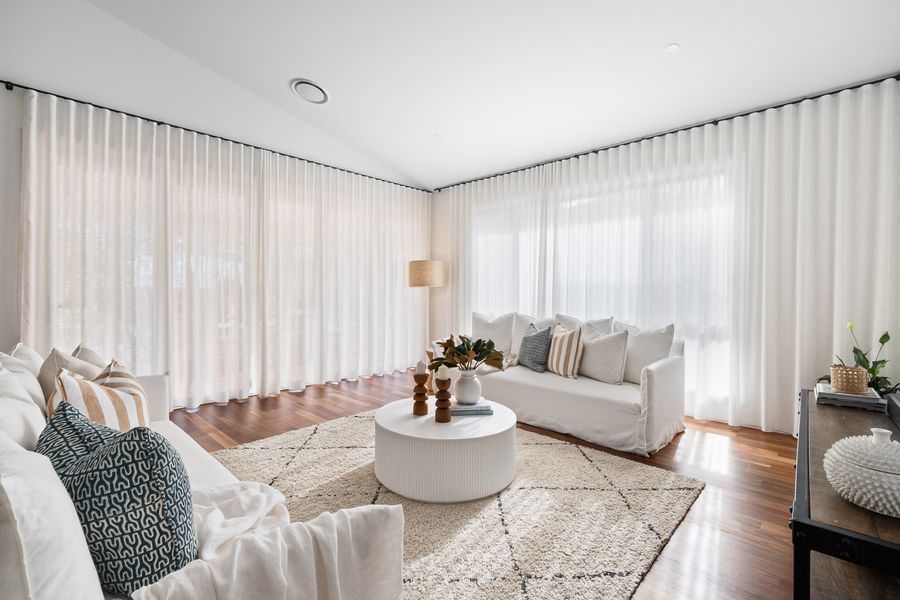
Interior Painting
Bedrooms, living areas, hallways, apartments and full interior repaints.
Interior, exterior and small commercial painting for homes, rentals and businesses across Melbourne’s northern suburbs and nearby areas.
Practical painting solutions with preparation, neat edges and consistent coverage.
Bedrooms, living areas, hallways, apartments and full interior repaints.
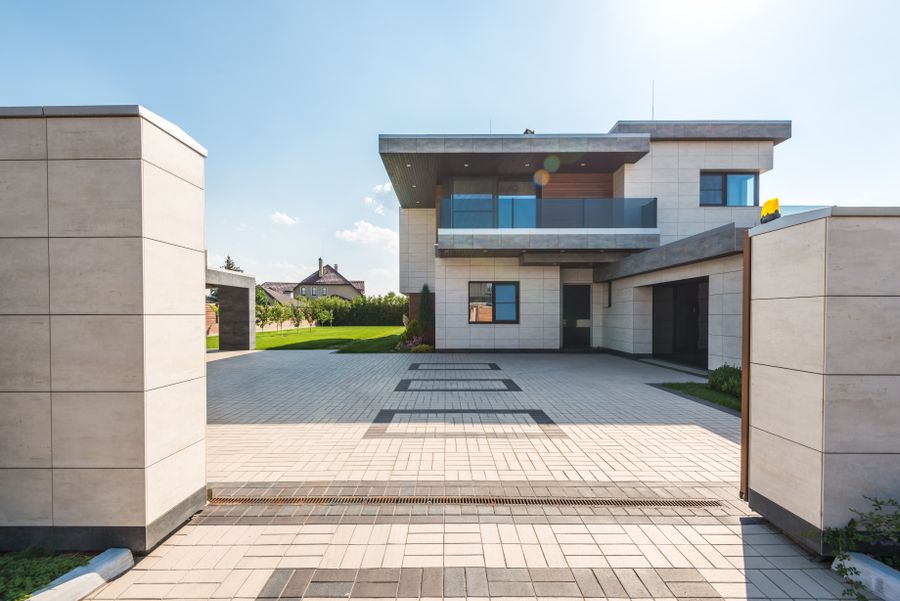
Weatherboards, doors, windows, trims and outdoor surfaces.
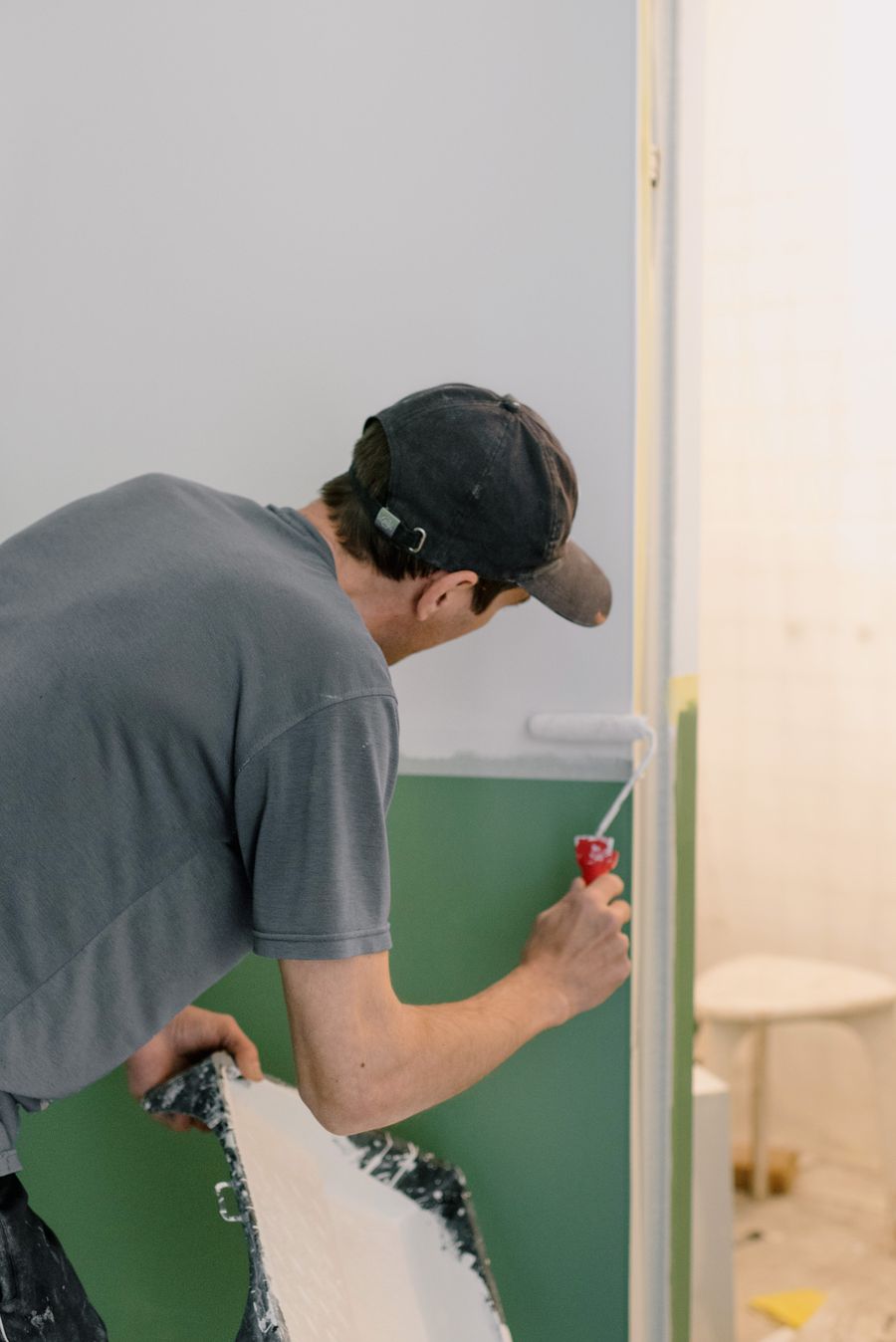
End-of-lease, pre-sale and rental repainting with a tidy turnaround.
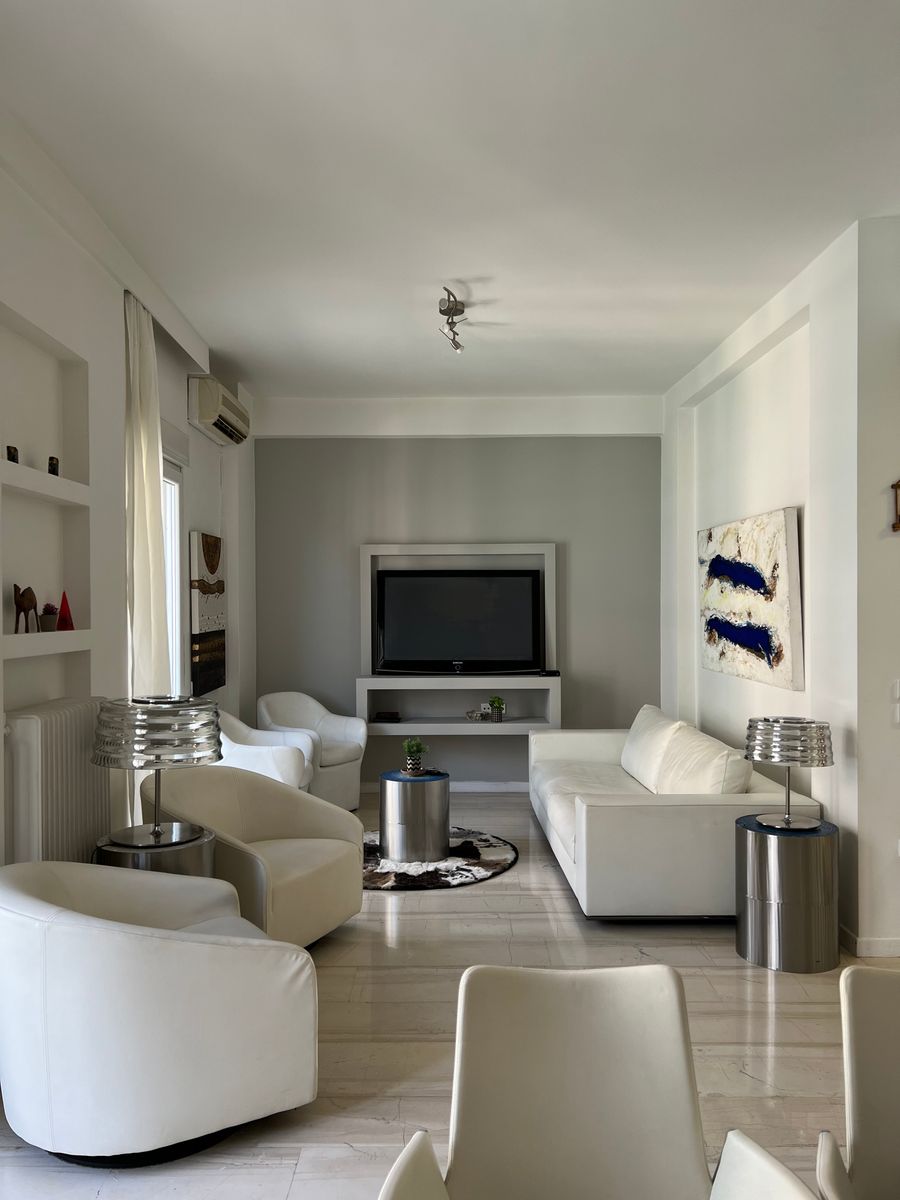
Painting for offices, shops and small commercial spaces.
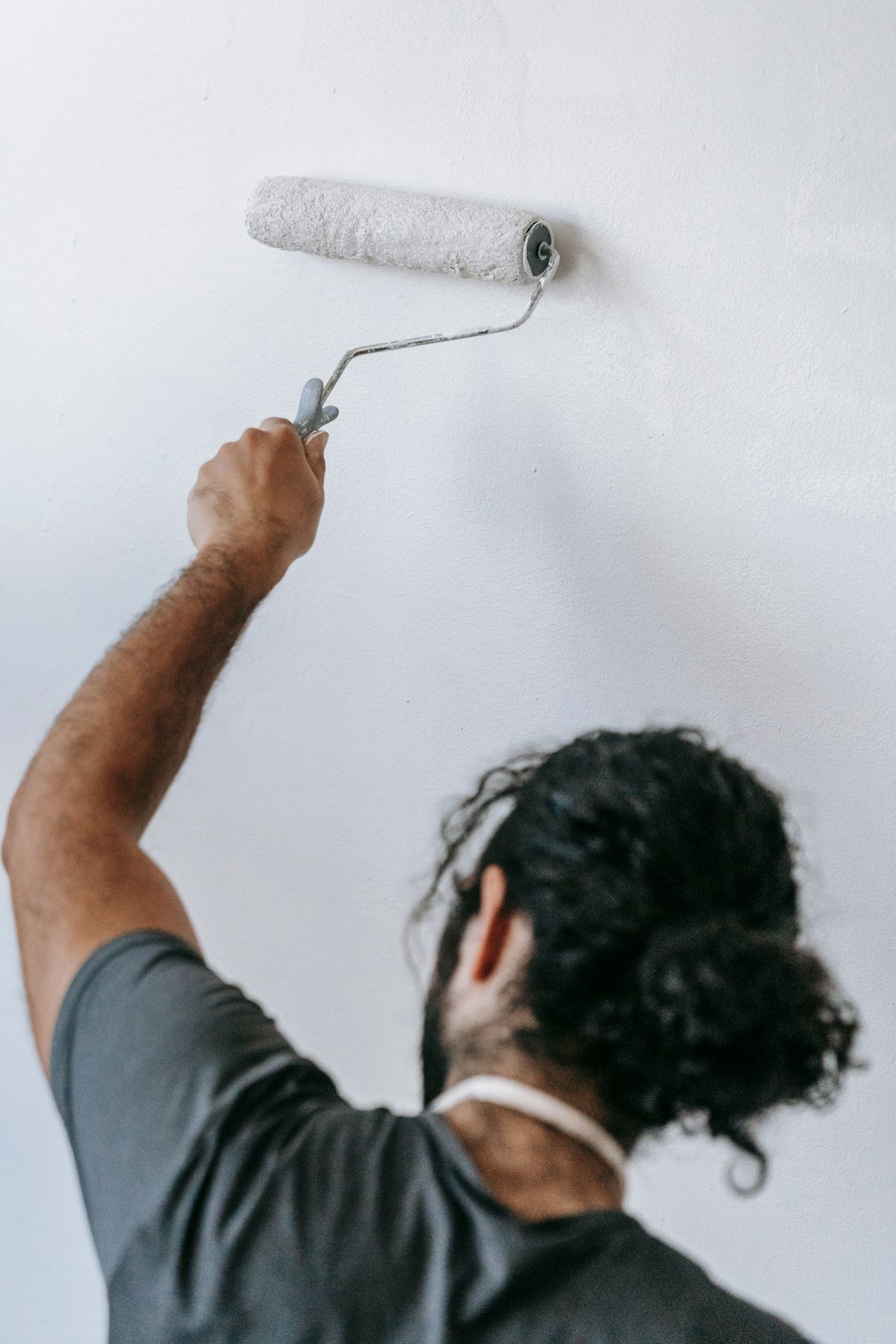
Good paintwork starts before the first coat. We focus on preparation, clean lines, consistent coverage and clear communication.
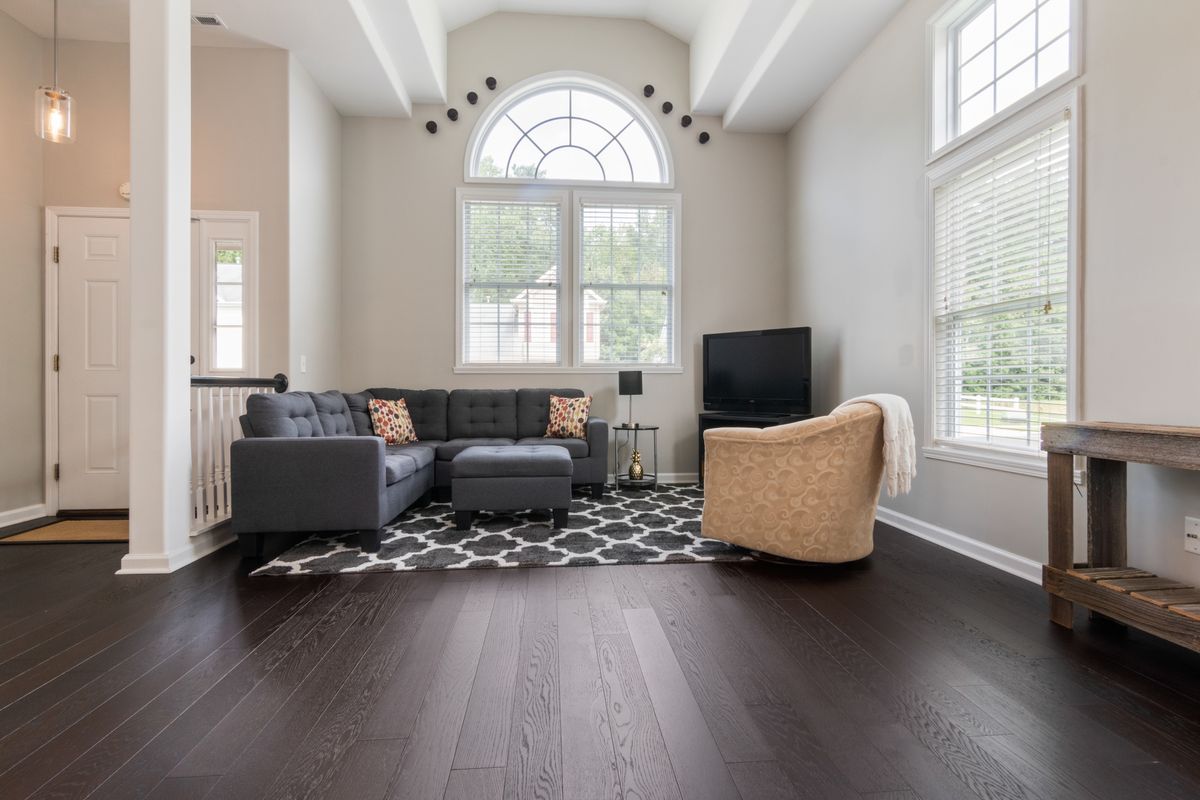
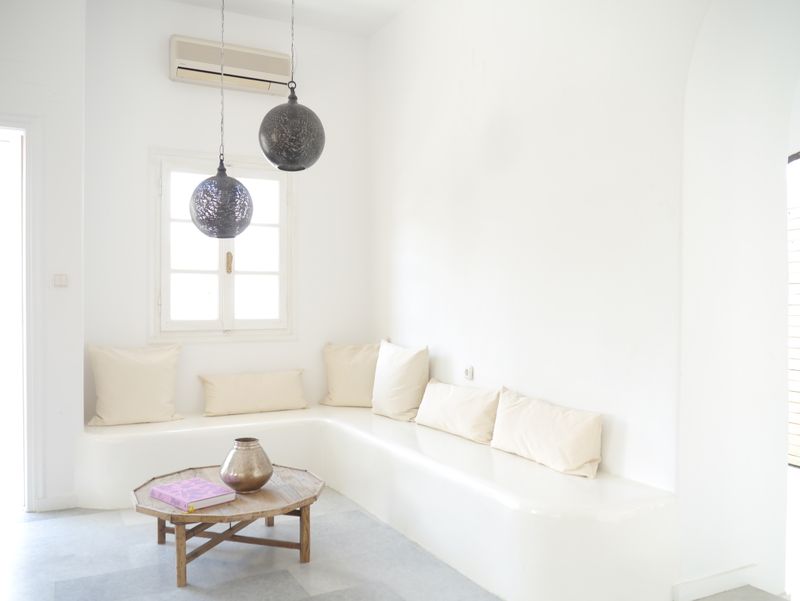
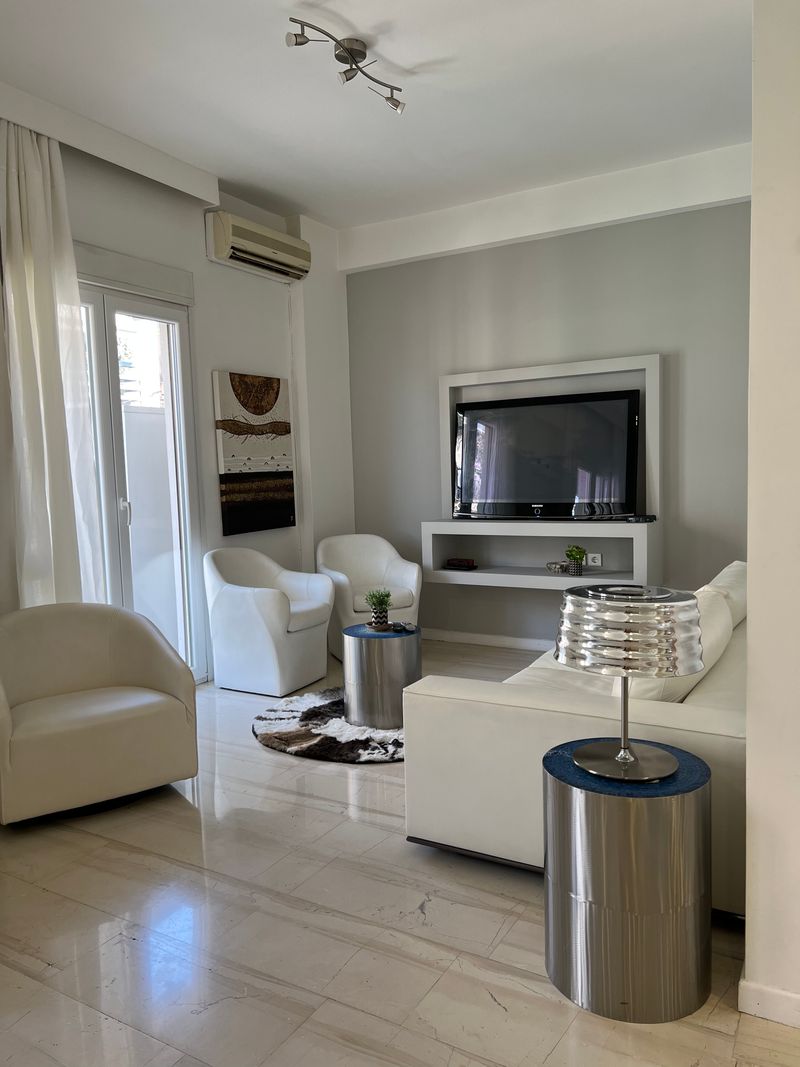
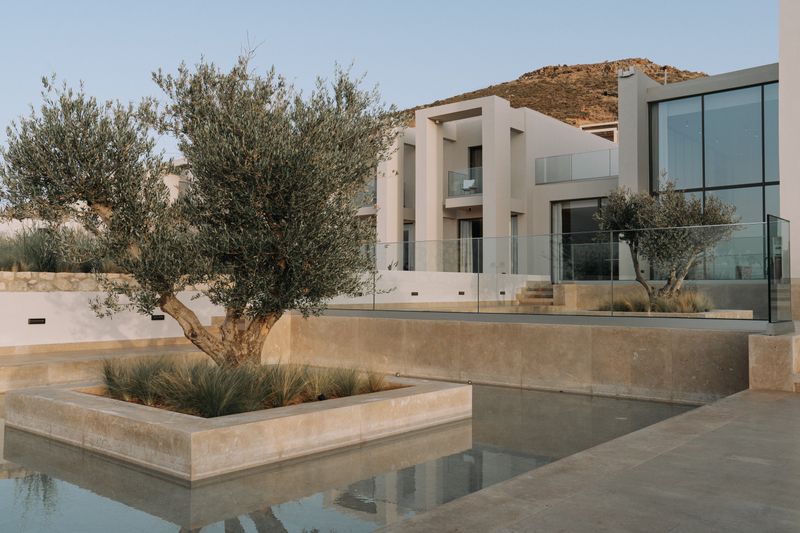
A modern paint finish can transform how a property feels.
Send your suburb and the areas you want painted.
We confirm the scope and price for the agreed work.
We protect, prepare and paint with attention to detail.
We review the agreed areas before completion.


Painting the interior of your home can transform your living space, making it feel fresh and inviting. Whether you're looking to update a single room or your entire house, knowing the right techniques and tips can make all the difference. In this guide, we will explore essential interior painting tips specifically tailored for Melbourne homes, ensuring you achieve a professional finish that enhances your space.

Before diving into painting, it's crucial to consider the unique climate of Melbourne. The city is known for its unpredictable weather, which can affect the drying time and finish of your paint. Here are a few climate-related tips:
Humidity Levels: Melbourne experiences varying humidity levels throughout the year. High humidity can slow down drying times, while low humidity can cause paint to dry too quickly, leading to uneven finishes. Aim to paint on days when humidity is moderate.
Temperature Fluctuations: The temperature can change drastically, especially during summer and winter. Ideally, paint when temperatures are between 10°C and 30°C for optimal results.
Selecting the right type of paint is essential for achieving a beautiful finish. Here are some factors to consider:
Water-Based Paints: These are easy to clean up and have low levels of volatile organic compounds (VOCs), making them a safer choice for indoor use. They dry quickly and are ideal for most interior surfaces.
Oil-Based Paints: While they provide a durable finish, oil-based paints take longer to dry and require solvents for cleanup. They are best used for trim and cabinetry.
Matte Finish: This finish is great for hiding imperfections but can be harder to clean. It's suitable for low-traffic areas like bedrooms.
Eggshell Finish: This is a popular choice for living rooms and hallways, offering a slight sheen that is easier to clean than matte.
Satin Finish: Ideal for kitchens and bathrooms, satin finishes are durable and moisture-resistant.
Gloss Finish: This high-shine option is perfect for trim and moldings, as it reflects light and highlights architectural details.
Preparation is key to a successful painting project. Here’s how to get ready:
Move furniture out of the room or to the center and cover it with drop cloths.
Remove wall hangings, light switch covers, and outlet covers.
Dust and wash the walls to remove any dirt or grease. A clean surface ensures better paint adhesion.
Fill in holes and cracks with spackle or filler. Sand the area smooth once it’s dry.
Use painter's tape to protect trim, windows, and door frames. This will help you achieve clean lines and prevent paint from bleeding onto surfaces.
Now that your space is prepared, it’s time to paint. Here are some techniques to consider:
Brushes: Use high-quality brushes for cutting in around edges. A 2- to 3-inch angled brush is ideal for corners and trim.
Rollers: For larger areas, use a roller with a nap appropriate for your wall texture. A ¼ to ½ inch nap is suitable for smooth walls, while a thicker nap is better for textured surfaces.
If you’re making a significant color change or painting over a dark color, apply a primer first. This will help the new paint adhere better and improve the final color.
Work in small sections, starting from the top of the wall and moving down. This helps to avoid drips and ensures even coverage.
When rolling paint, use a “W” pattern to distribute the paint evenly. Fill in the gaps without lifting the roller for a smooth finish.
Once the walls are painted, it’s time to add the finishing touches:
Remove the tape while the paint is still slightly wet to avoid peeling. Pull it away at a 45-degree angle for the best results.
Inspect your work for any missed spots or uneven areas. Use a small brush for touch-ups as needed.
Clean your brushes and rollers immediately after use. Dispose of any used painter's tape and drop cloths responsibly.
To keep your newly painted walls looking fresh, consider these maintenance tips:
Regular Cleaning: Dust your walls regularly with a microfiber cloth. For stains, use a damp sponge with mild soap.
Avoid Harsh Chemicals: Use gentle cleaners to avoid damaging the paint finish.
Repaint as Needed: Depending on the room's use, you may need to repaint every few years. High-traffic areas may require more frequent touch-ups.
Painting the interior of your Melbourne home can be a rewarding project that enhances your living space. By understanding the local climate, choosing the right materials, and following proper techniques, you can achieve a professional-looking finish. Remember to take your time during preparation and painting, as these steps are crucial for a successful outcome.
Now that you have these tips, it’s time to gather your supplies and start transforming your home. Happy painting!
Comments