
Interior Painting
Bedrooms, living areas, hallways, apartments and full interior repaints.
Interior, exterior and small commercial painting for homes, rentals and businesses across Melbourne’s northern suburbs and nearby areas.
Practical painting solutions with preparation, neat edges and consistent coverage.
Bedrooms, living areas, hallways, apartments and full interior repaints.
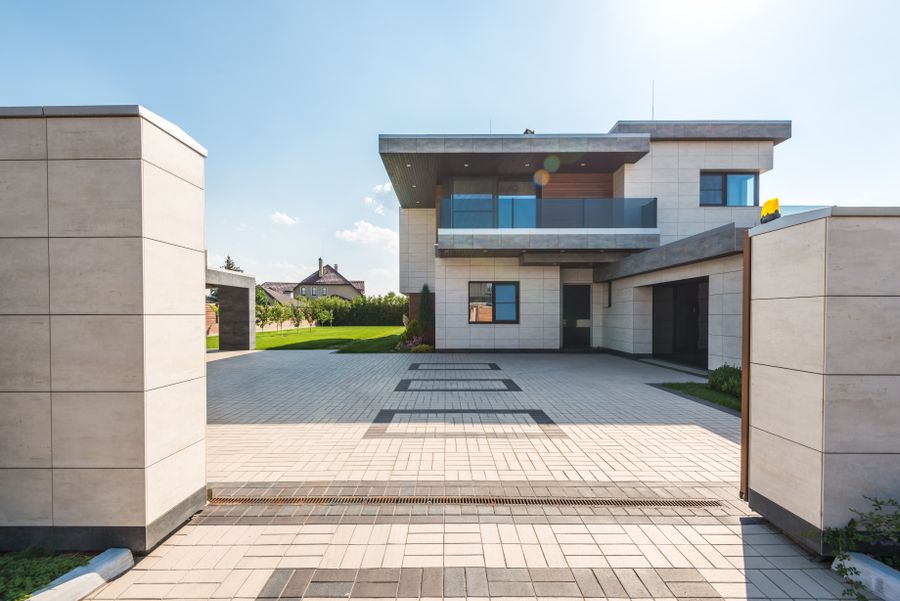
Weatherboards, doors, windows, trims and outdoor surfaces.
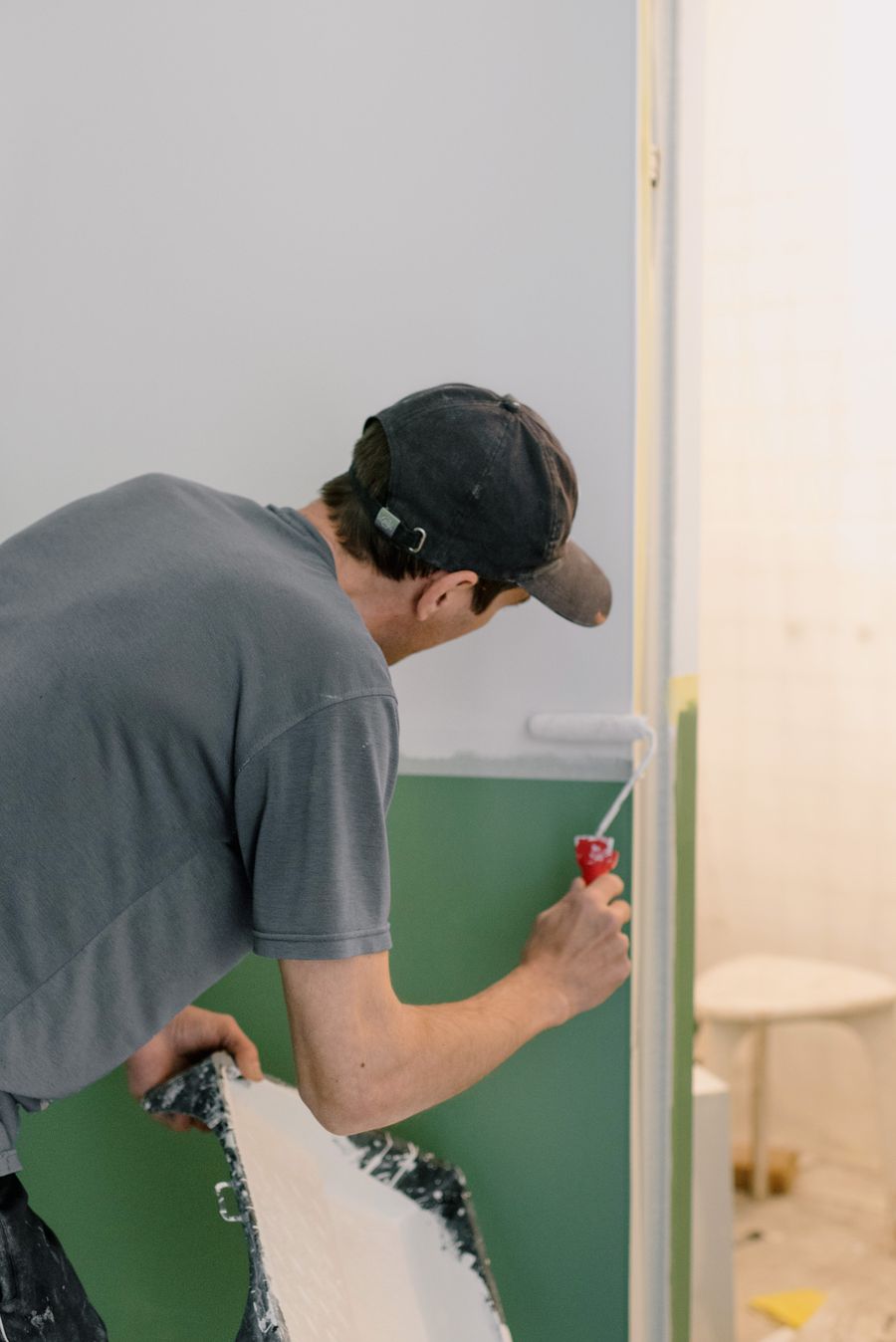
End-of-lease, pre-sale and rental repainting with a tidy turnaround.

Painting for offices, shops and small commercial spaces.
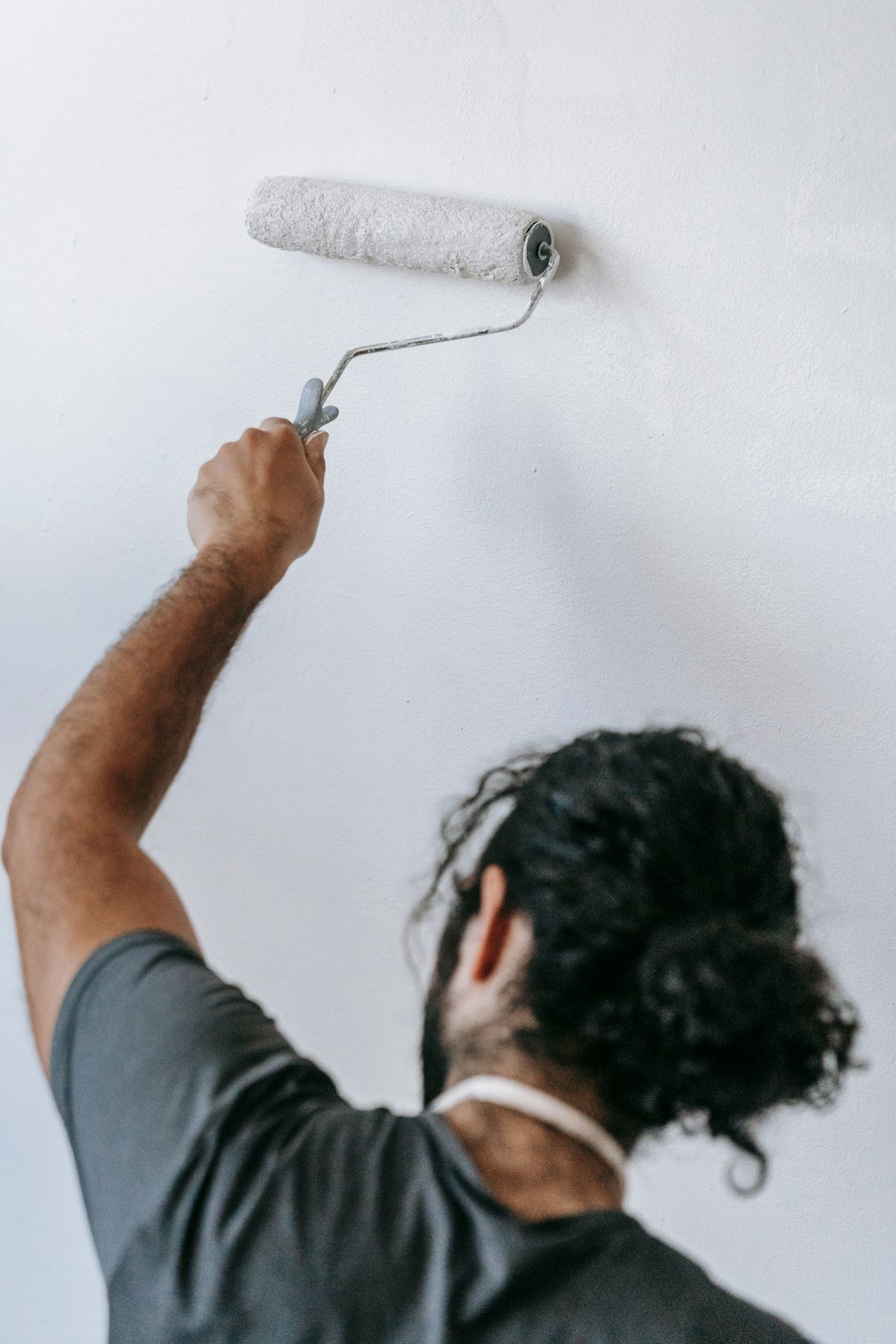
Good paintwork starts before the first coat. We focus on preparation, clean lines, consistent coverage and clear communication.
A modern paint finish can transform how a property feels.



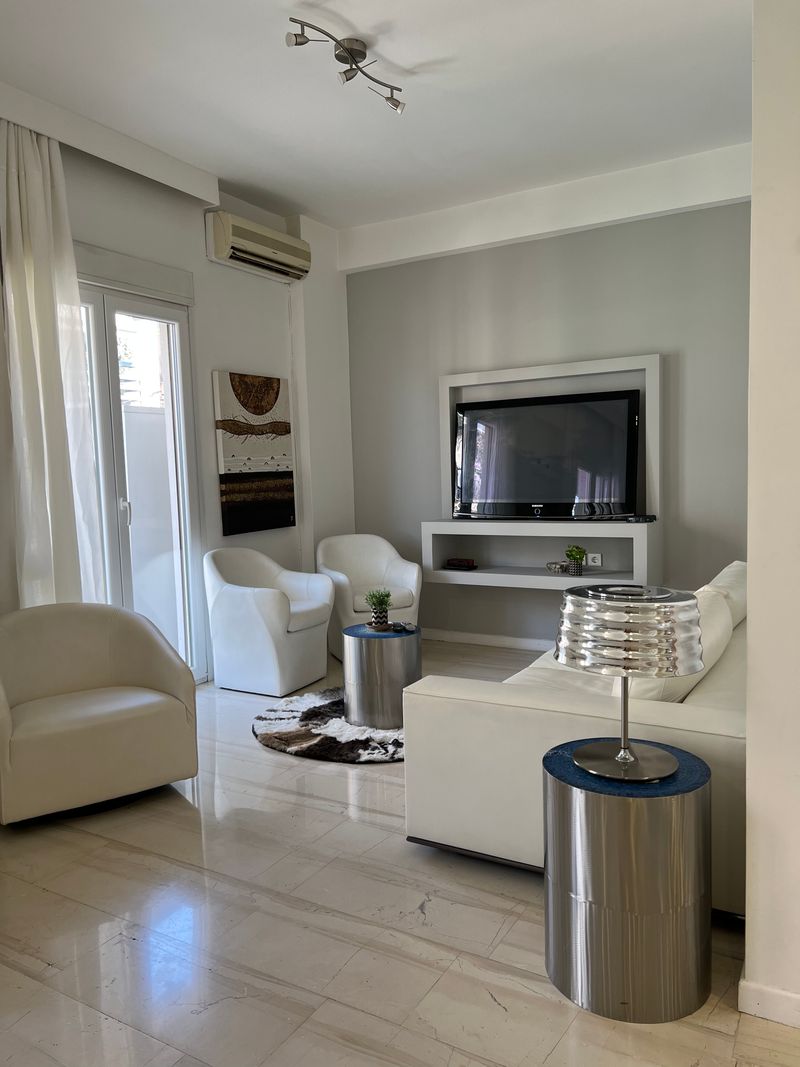

Send your suburb and the areas you want painted.
We confirm the scope and price for the agreed work.
We protect, prepare and paint with attention to detail.
We review the agreed areas before completion.


Updated: Aug 17
When it comes to refreshing your property’s look, hiring the right professional painting contractors can make all the difference. Whether you own a home or a small commercial space, the quality of paintwork impacts not only aesthetics but also the longevity and protection of your building. I’ve learned that choosing the right team requires more than just picking the first name you find online. In this post, I’ll walk you through practical steps and tips to help you make an informed decision.
You might think painting is a simple task anyone can do, but professional painting contractors bring expertise that ensures a flawless finish. They understand surface preparation, paint types, and application techniques that protect your walls from weather and wear. Plus, they work efficiently, saving you time and stress.
For example, a professional will know how to handle tricky surfaces like textured walls or metal trims. They also use high-quality paints suited to Melbourne’s climate, which means your paint job will last longer without fading or peeling.
When you hire professionals, you also get peace of mind. They carry insurance and follow safety standards, reducing the risk of accidents or damage during the project.

Finding the right team starts with research. Here’s a step-by-step approach I recommend:
Ask for Recommendations
Start by asking friends, family, or neighbours if they’ve had good experiences with painters. Personal referrals often lead to trustworthy contractors.
Check Online Reviews
Look at platforms like Google, Yelp, or local directories. Pay attention to comments about punctuality, quality, and communication.
Verify Credentials
Ensure the contractor is licensed and insured. This protects you if something goes wrong.
Request Multiple Quotes
Don’t settle for the first estimate. Getting at least three quotes helps you compare prices and services.
Review Past Work
Ask for photos or visit previous job sites if possible. This shows the quality and style of their work.
Discuss Your Project in Detail
A good contractor will listen to your needs, offer suggestions, and explain the process clearly.
By following these steps, you’ll narrow down your options to a few reliable professionals.
Knowing what to expect during the painting project helps you communicate better with your contractor and avoid surprises. Here’s a typical process:
Preparation
This includes cleaning surfaces, sanding rough spots, filling holes, and protecting areas like floors and windows.
Priming
Applying primer ensures better paint adhesion and coverage, especially on new or repaired surfaces.
Painting
Contractors usually apply two coats for durability and even colour.
Cleanup
After painting, they remove protective coverings and clean the site thoroughly.
Inspection
A final walkthrough ensures you’re happy with the results and any touch-ups are done.
Understanding these steps helps you ask the right questions and monitor progress.

Before signing a contract, make sure you ask these important questions:
What type of paint do you recommend for my property?
How long will the project take?
Will you handle all surface preparation?
Do you provide a written estimate and contract?
What warranty or guarantee do you offer?
How do you protect furniture and flooring?
Are your workers insured and trained?
How do you manage unexpected issues or delays?
Clear answers to these questions show professionalism and help you avoid misunderstandings.
Once you’ve chosen your contractor, keep these tips in mind to ensure a smooth project:
Communicate Clearly
Share your expectations and any concerns upfront.
Prepare Your Space
Remove fragile items and clear the area to give painters easy access.
Stay Available
Be reachable to answer questions or approve changes.
Inspect Work Regularly
Check progress and quality at different stages.
Be Patient
Good painting takes time. Rushing can compromise quality.
By staying involved and respectful, you’ll help the team deliver the best results.
Choosing local professional painting contractors means they understand the specific needs of properties in Melbourne’s Northern suburbs. They know the climate challenges, common building materials, and local regulations. This local knowledge translates into better advice and tailored solutions.
For instance, they can recommend paints that withstand Melbourne’s sun and occasional heavy rains. They also respond faster if you need follow-up services or repairs.
If you want to explore trusted options, consider commercial painting contractors who serve the area with a strong reputation for quality and reliability.
Choosing the right professional painting contractors is an investment in your property’s future. By doing your homework, asking the right questions, and working closely with your chosen team, you’ll enjoy a beautiful, long-lasting paint job.
Remember, the best contractors combine skill, experience, and customer care. They make the process easy and deliver results that exceed your expectations. Take your time, trust your instincts, and soon you’ll see your property transformed with a fresh coat of paint that shines.
Happy painting!
Comments